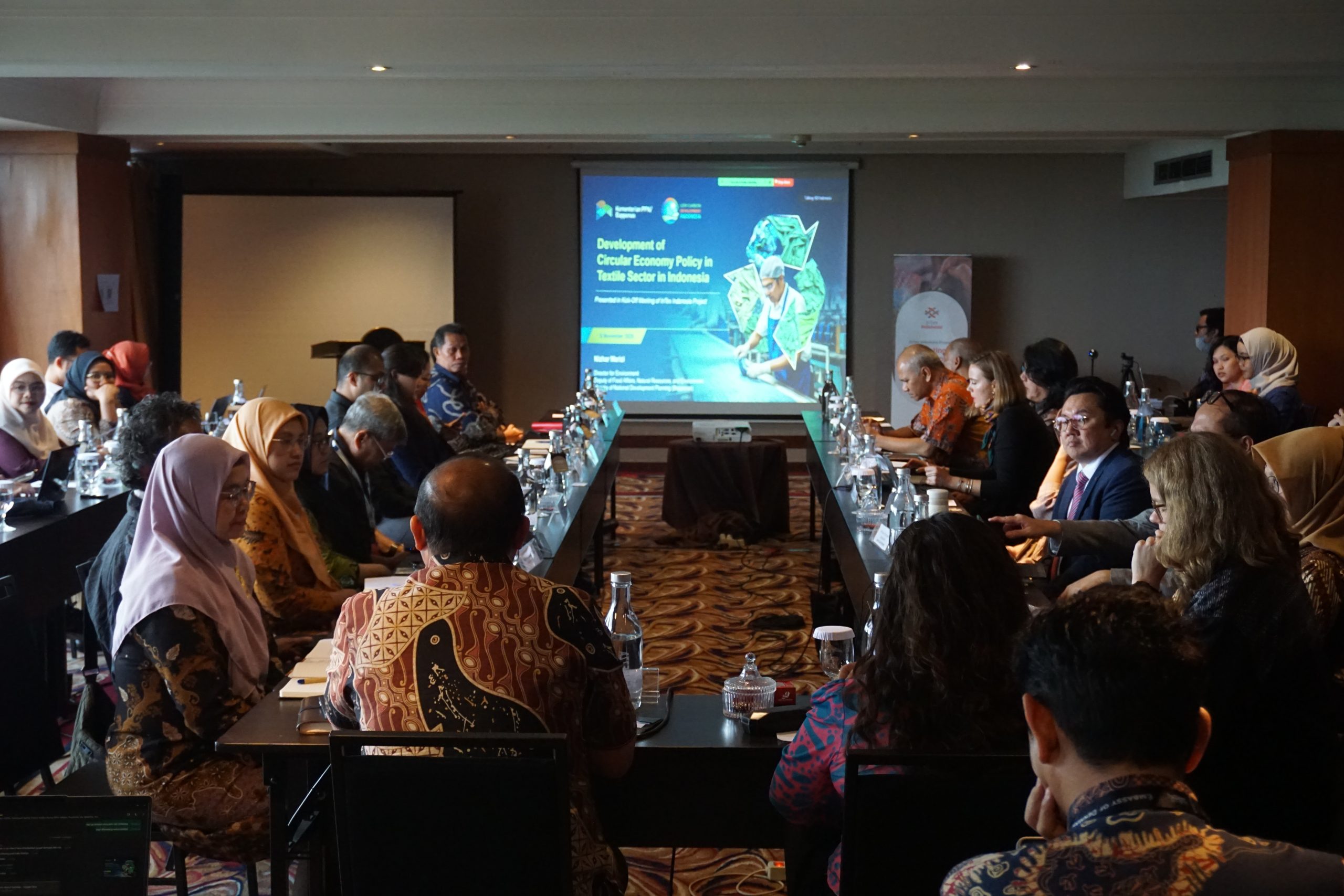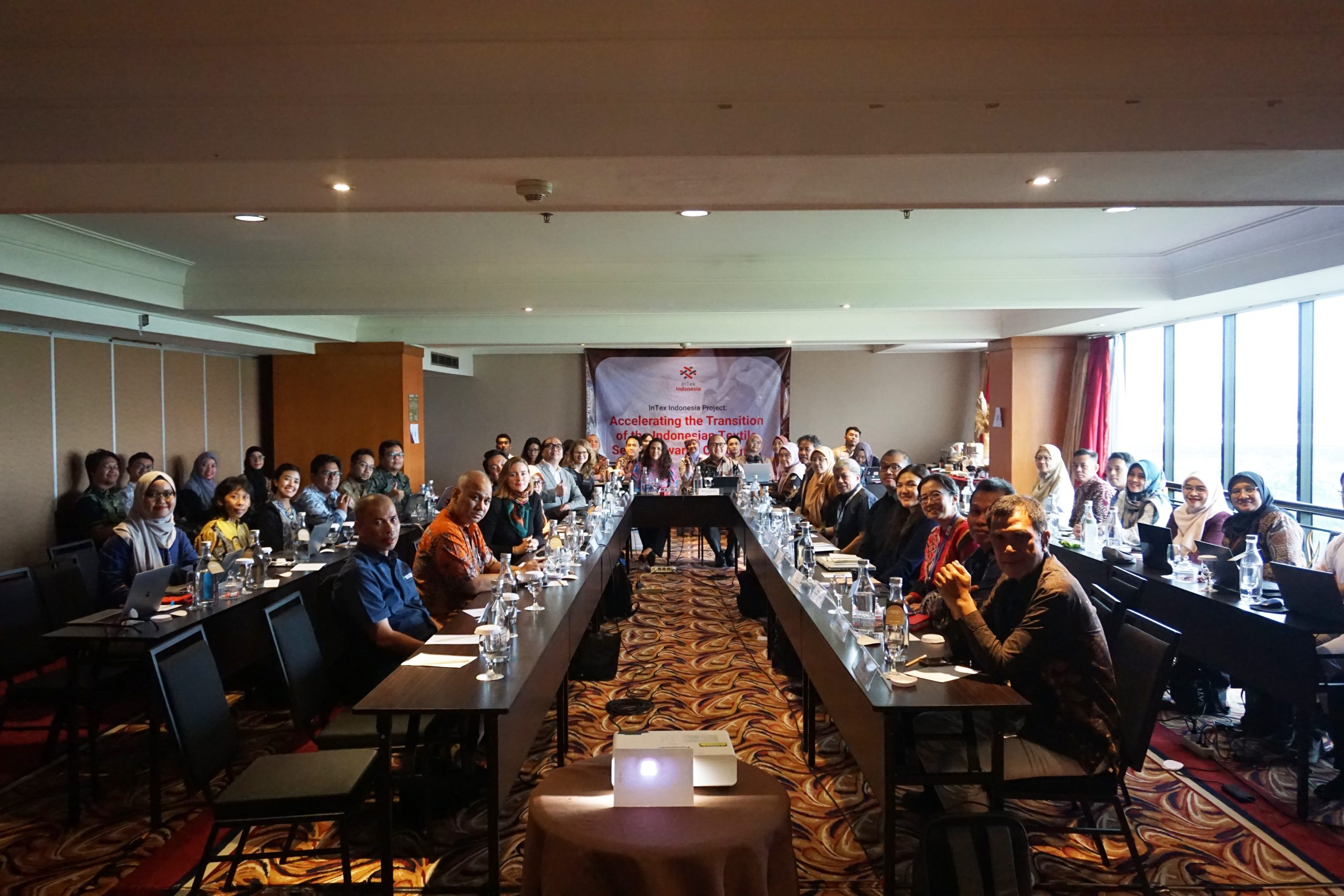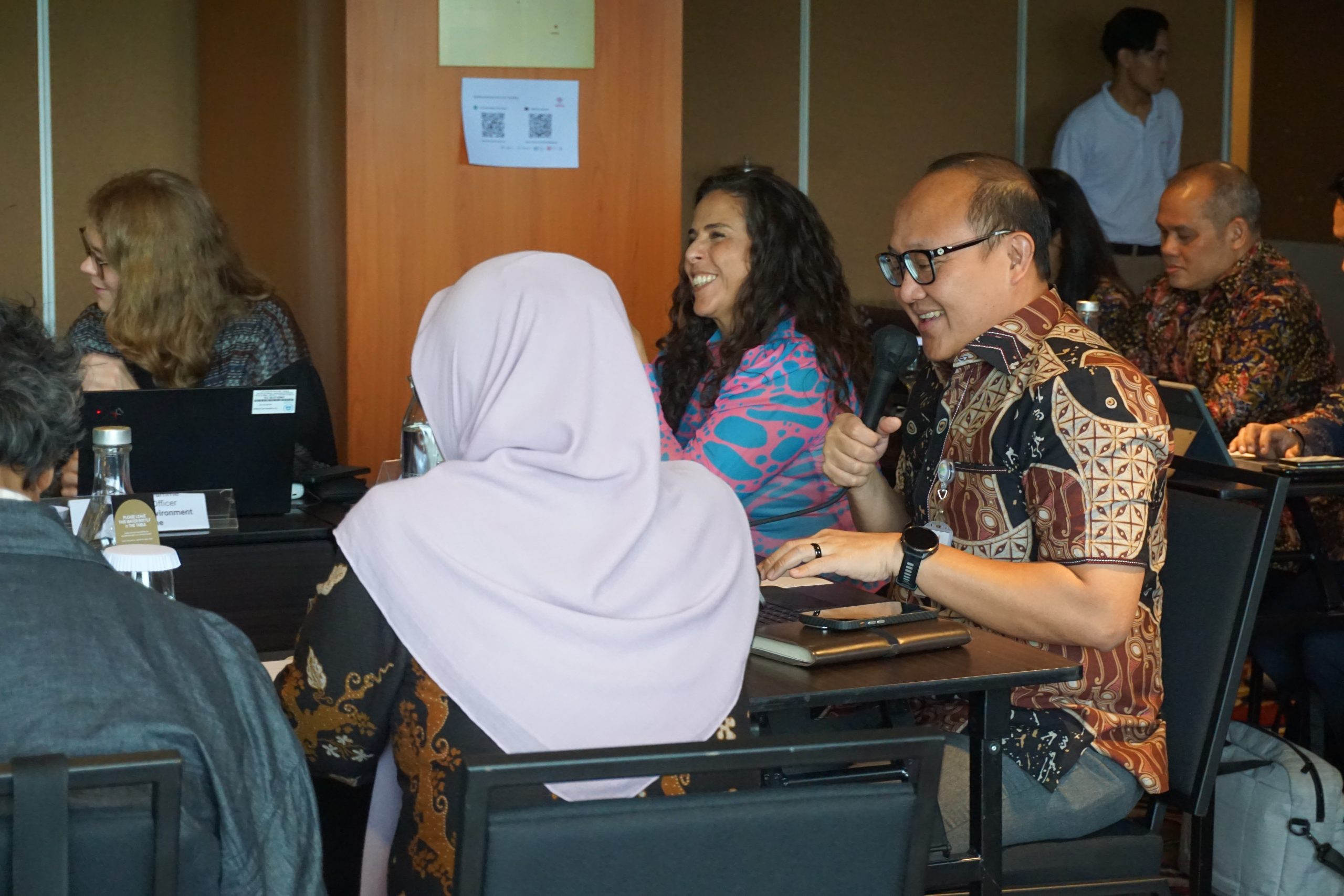
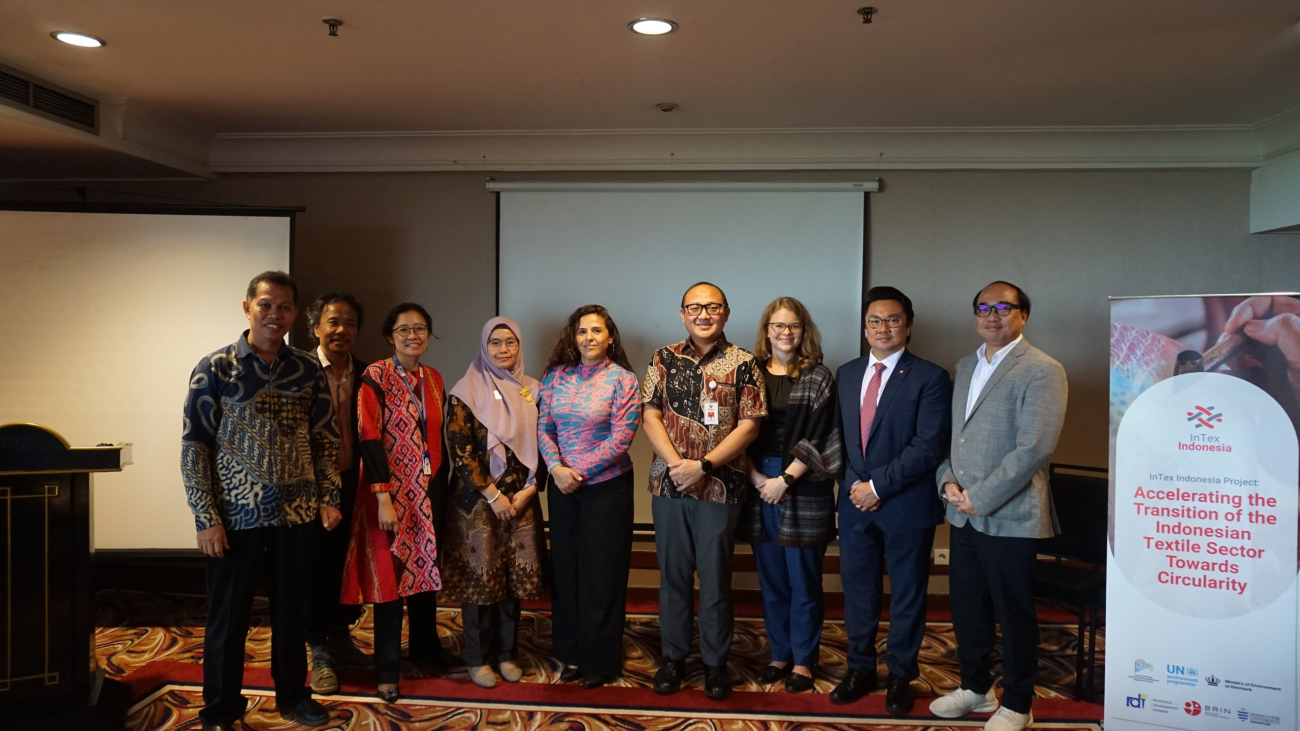
The Indonesia Government through the Ministry of National Development Planning/Bappenas, officially launched the InTex Indonesia Project, an initiative that aims to accelerate the transition toward a circular textile system, on Thursday (5/11). The project, which will run from 2025 to 2027, is a collaborative effort with the United Nations Environment Programme (UNEP) funded by the Danish Government. The project aims to provide training for 200 individuals (with a minimum of 40% women), involving approximately 50 textile industry companies, as well as capacity building for 60 policymakers in policy formulation to establish a circular textile sector.
The textile sector is one of Indonesia’s priority sectors for circular economy implementation, with policy interventions outlined in the Circular Economy Roadmap and Action Plan, which have been integrated into the 2025–2029 National Medium-Term Development Plan (RPJMN). Five priority sectors were selected based on their contribution to national GDP—through economic growth and job creation—their circularity potential, and the level of stakeholder support. In Indonesia, there are approximately 13,000 medium and large textile companies, as well as 25 million out of 60 million MSMEs engaged in micro-scale textile activities.
Efforts to implement a circular economy in the textile sector face significant challenges, including high energy consumption, the use of hazardous chemicals, and large volumes of production and post-consumer waste. The Director of Environmental Affairs at the Ministry of National Development Planning/Bappenas, Nizhar Marizi, stated that the launch of InTex Indonesia marks an important momentum to strengthen circular economy implementation in the textile sector. Collaboration between the government, international partners, and industry players will contribute to promoting more efficient production practices, reducing waste, and enhancing the competitiveness of Indonesia’s textile industry. He also emphasized the importance of focusing on MSMEs, which contribute around 61.9% of national GDP and 97% of total employment.
The InTex Indonesia Project is implemented by a consortium comprising the Resilience Development Initiative (RDI), the National Research and Innovation Agency (BRIN), and James Cook University. The project focuses on developing industry support—particularly for small and medium enterprises—in adopting circular economy practices through LCA application, eco-design, and sustainable production strategies. InTex Indonesia is also designed to strengthen evidence-based policymaking through training, workshops, and facilitation of inter-ministerial and institutional coordination.
InTex Indonesia activities will be carried out across six regions with high textile industry concentration: Jakarta and surrounding areas (including Cikarang), Purwakarta (including Majalaya), Bandung, Semarang, Solo, and Surabaya (including Sidoarjo). These locations were selected to reflect the diverse characteristics of Indonesia’s textile industry and are expected to serve as models for nationwide implementation. Moving forward, InTex will collaborate with relevant ministries, agencies, and stakeholders to support MSME capacity-building and advance textile circularity in Indonesia.